
The True Cost of a Deck – Why Recycled Plastic Deck Boards Deliver Better Long-Term Value Than Wood
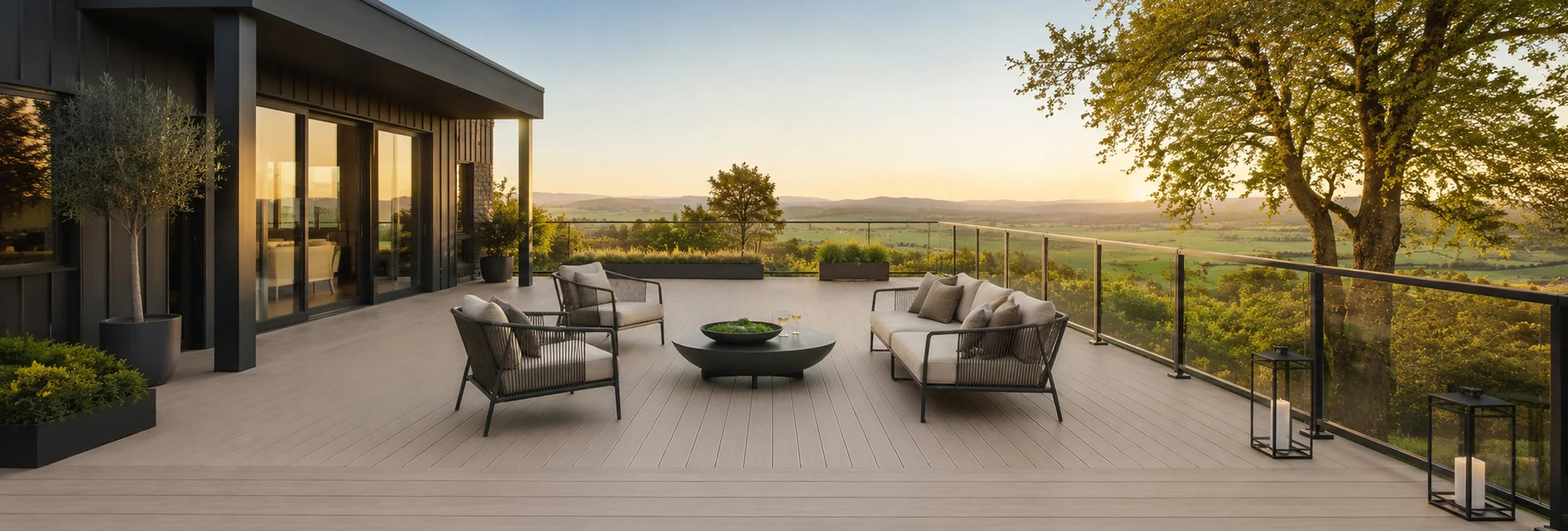
Wood decking often comes with a lower upfront price. Recycled plastic deck boards may cost more initially—but are they actually more expensive ? When you consider maintenance, repairs, and replacement costs, the total cost of ownership tells a very different story.
Whether you're building a deck, dock, boardwalk, patio, horse facility, or commercial outdoor space, investing in maintenance-free recycled plastic decking can save thousands of dollars over the life of your project.
Table of Contents
1. Why the Purchase Price Isn't the Whole Story
2. The Hidden Costs of Wood Decking
3. The Long-Term Value of Recycled Plastic Deck Boards
4. Wood vs. Recycled Plastic Decking: Total Cost Comparison
5. Final Thoughts
1. Why the Purchase Price Isn't the Whole Story
When comparing decking materials, many buyers focus only on the initial price per board or per square foot. While purchase price matters, it's only one part of the investment.
The true cost of a deck includes installation, routine maintenance, repairs, replacement boards, labor, and the time spent keeping the surface in good condition. Looking at the total cost of ownership gives a much clearer picture of which material delivers the best value over time.
2. The Hidden Costs of Wood Decking
Traditional wood requires ongoing maintenance to remain safe and attractive. Those recurring expenses continue year after year.
Typical long-term costs include:
- Staining and sealing every 1–2 years to protect against moisture and UV exposure.
- Cleaning and sanding before each maintenance cycle.
- Replacing cracked, warped, or rotting boards as the deck ages.
- Labor costs or significant DIY time for ongoing upkeep.
- Downtime while the deck is being repaired or refinished.
Over a 10-year period, these recurring expenses often exceed the initial savings of choosing wood.
3. The Long-Term Value of Recycled Plastic Deck Boards
Recycled plastic deck boards typically require a higher upfront investment, but they dramatically reduce ownership costs after installation.
Key advantages include:
- No staining, sealing, or painting required.
- No sanding or seasonal maintenance.
- Resistant to moisture, rot, insects, mold, and mildew.
- Will not splinter, crack, or warp like traditional wood.
- Designed for decades of reliable outdoor performance.
- Predictable ownership costs with virtually no ongoing maintenance.
Instead of spending time and money maintaining your deck every season, you simply enjoy it.
4. Wood vs. Recycled Plastic Decking: Total Cost Comparison
Over a 10-year period, the difference becomes clear.
Wood may cost less to purchase, but recurring maintenance, repairs, replacement boards, and labor significantly increase its lifetime cost.
Recycled plastic decking involves a larger initial investment, but once installed, maintenance expenses are minimal. The result is a lower lifetime cost, fewer repairs, and greater peace of mind.
For contractors, this means fewer warranty issues and service calls. For homeowners and commercial property owners, it means a durable outdoor space with predictable long-term costs.
5. Final Thoughts
Choosing decking materials shouldn't be based solely on the purchase price.
When you evaluate maintenance costs, durability, longevity, and total cost of ownership, recycled plastic deck boards provide exceptional long-term value. While wood may appear less expensive initially, maintenance-free recycled plastic decking often becomes the more economical investment over its lifetime.
If you're planning a deck, dock, boardwalk, horse facility, or commercial outdoor project, choosing durable recycled plastic decking is an investment that continues to pay off for years to come.